

Rheumatology and Rheumatic Disease
Rheumatic diseases are conditions that affect the joints, muscles, bones and connective tissues. They commonly cause joint pain and stiffness, muscle pain or weakness, fatigue, rashes, and a general feeling of being unwell. These symptoms can have a significant impact on day-to-day function and overall quality of life.
Rheumatic diseases range from very common problems such as osteoarthritis, gout and tendon disorders, to more complex autoimmune conditions such as rheumatoid arthritis, lupus and vasculitis, where the immune system becomes overactive and targets the body’s own tissues. Early, accurate diagnosis and tailored treatment are key to controlling inflammation, preventing joint and organ damage, and maintaining long-term health.
I find it helpful to think about these conditions in terms of the tissues they affect:
Joints
• Osteoarthritis
• Rheumatoid Arthritis
• Psoriatic Arthritis
• Axial Spondyloarthritis / Ankylosing Spondylitis
• Enteropathic Arthritis
• Gout
• Calcium Pyrophosphate (CPPD) Arthritis
Connective Tissue and Muscle
• Systemic Lupus Erythematosus (SLE)
• Sjögren’s Syndrome
• Systemic Sclerosis
• Inflammatory Myopathies (e.g. Polymyositis, Dermatomyositis)
• Heritable connective tissue disorders (e.g. Marfan syndrome, Ehlers–Danlos)
Blood Vessels
• Vasculitis (including Giant Cell Arteritis, Takayasu disease, ANCA-associated vasculitis)
Bone
• Osteoporosis
• Paget’s Disease of Bone
Tendons, Bursae and Ligaments
• Rotator cuff–related shoulder pain
• Achilles and patellar tendinopathy
• Trochanteric bursitis and related soft tissue pain syndromes
Miscellaneous / Pain Processing
• Fibromyalgia
Other Systemic Conditions
• Polymyalgia Rheumatica
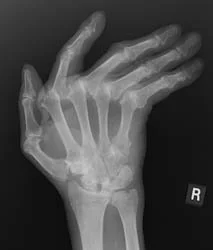
Common Conditions

Psoriatic Arthritis
Systemic Sclerosis
Giant Cell Arteritis (GCA)
ANCA associated vasculitis

Ankylosing Spondltis / AxSpA
Inflammatory Myopathy
Osteoarthritis
Generalised joint hypermobility and hEDS

Crystal Arthritis
Lupus (SLE)
Sjogren’s Syndrome
Soft tissue pathology