
Polymyalgia Rheumatica (PMR)
If you are over the age of 50 and develop new stiffness in your shoulders or hips, it is natural to wonder whether this reflects age‑related degenerative change. In some cases, it does. In others, the pattern of symptoms suggests an underlying inflammatory condition. One of the key conditions to consider is polymyalgia rheumatica (PMR).
PMR is common but often under‑recognised. The clinical challenge lies in determining when the symptoms are more consistent with inflammation rather than mechanical or degenerative causes.
What is PMR?
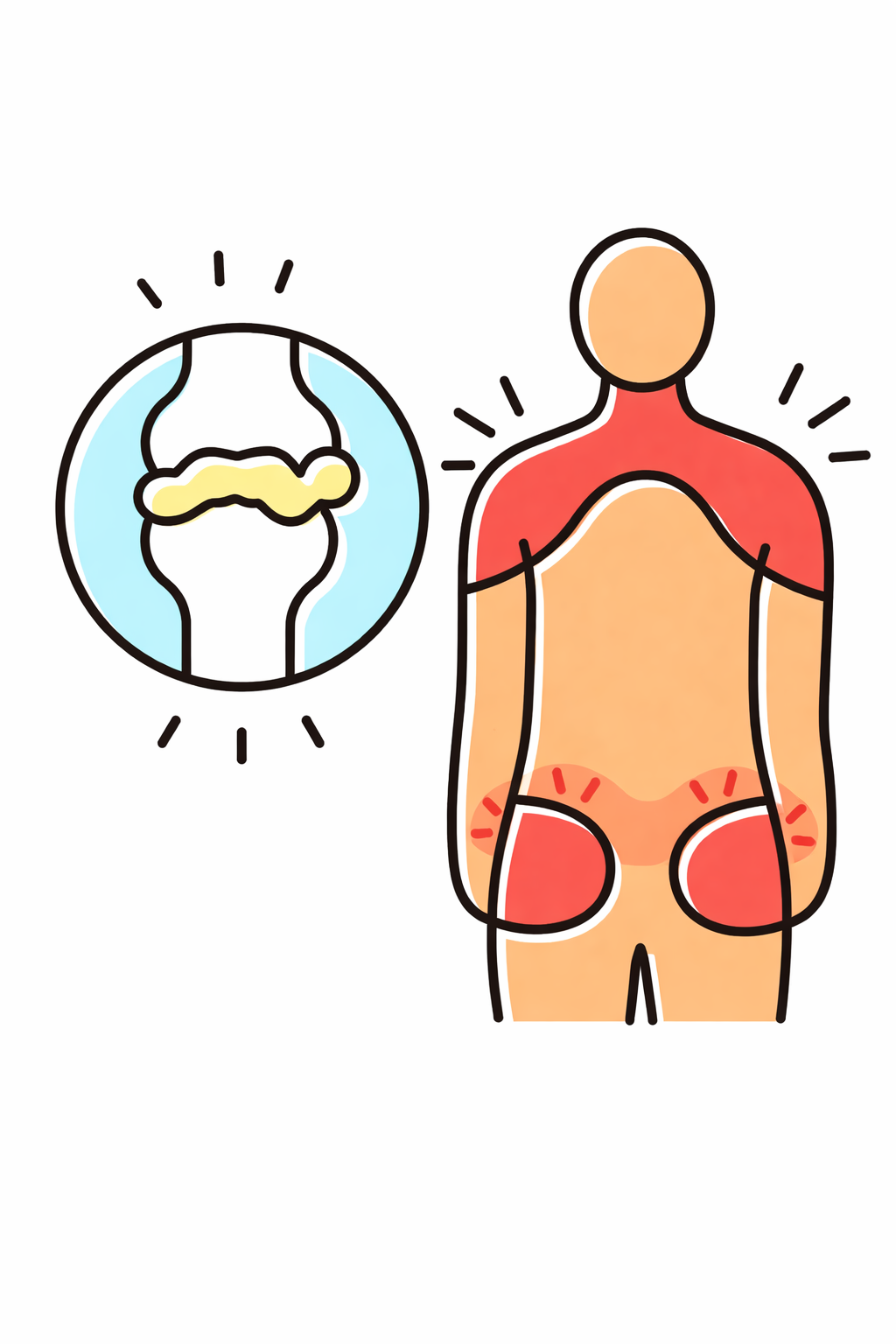
Polymyalgia rheumatica (PMR) is an inflammatory condition that typically affects people over the age of 50. It causes stiffness and reduced function — most commonly in the shoulders and hips — and usually develops over a relatively short period of time, often weeks rather than years.
The hallmark symptom is stiffness, particularly in the morning or after periods of rest. Although discomfort is common, it is the stiffness and its impact on everyday movement that tends to be most prominent.
What Makes PMR More Likely?
There is no single test for PMR. Diagnosis relies on recognising a consistent clinical pattern. Features that increase the likelihood include:
Age over 50
Sudden or recent onset of symptoms (days to weeks)
Morning stiffness lasting more than 45 minutes
Difficulty with everyday tasks, such as:
Getting out of bed
Lifting the arms to dress
Rising from a chair
Symptoms affecting both shoulders and/or both hips
Associated features, including fatigue, low mood, or unintentional weight loss
Equally important is recognising what does not fit. Longstanding symptoms, pain that varies with activity, or isolated joint pain without stiffness are less typical of PMR and may indicate a degenerative or mechanical cause.
How is PMR Diagnosed?
PMR is a clinical diagnosis based on a combination of:
The pattern and history of symptoms
Findings on physical examination
Supporting blood tests, particularly inflammatory markers such as platelet count, ESR and CRP
Blood tests can support the diagnosis but are not definitive. Raised inflammatory markers are common in PMR but not specific. Some patients with classic symptoms may even have normal inflammatory markers.
Imaging — such as ultrasound or MRI — may be helpful in selected cases but is not required for straightforward presentations. PET-CT can demonstrate inflammation around joints typical of PMR and may also help distinguish it from giant cell arteritis (GCA).
Ultimately, diagnosis is based on a specialist’s interpretation of the full clinical picture, rather than any single test.
What Happens After Diagnosis?
If left untreated, PMR causes persistent inflammation and ongoing functional limitation.
The standard treatment is low‑dose corticosteroids (such as prednisolone). These usually lead to a rapid, often dramatic improvement in stiffness and mobility within days. While a positive steroid response can support the diagnosis, it is not diagnostic on its own.
Once symptoms improve, the steroid dose is gradually reduced. The rate of tapering varies: some patients reduce easily, while others experience recurrence of symptoms and require slower steroid reduction.
Do Patients Always Stay on Steroids?
Not necessarily.
Many patients can eventually stop treatment. However, some may:
Relapse when steroids are reduced
Require longer treatment courses
Develop steroid‑related side effects
In such cases, steroid‑sparing medications — such as methotrexate, and occasionally biologic therapies — may be considered. These decisions are tailored to the individual.
Why Is Giant Cell Arteritis (GCA) Relevant?
PMR is closely linked with giant cell arteritis (GCA), an inflammatory condition affecting medium‑ and large‑sized blood vessels.
A proportion of patients with PMR will have, or later develop, GCA. This is crucial because untreated GCA can lead to serious complications, including permanent visual loss.
Symptoms that may suggest GCA include:
New‑onset headache
Jaw pain when chewing
Scalp tenderness
Visual disturbances
Night sweats or weight loss
These symptoms require urgent medical assessment.
When Should You Seek Specialist Advice?
You should seek a rheumatology assessment if you develop:
New stiffness in the shoulders or hips
Morning stiffness lasting more than 45 minutes
Difficulty with usual daily movements
Unexplained fatigue or weight loss
Any symptoms suggestive of GCA